 seolounge




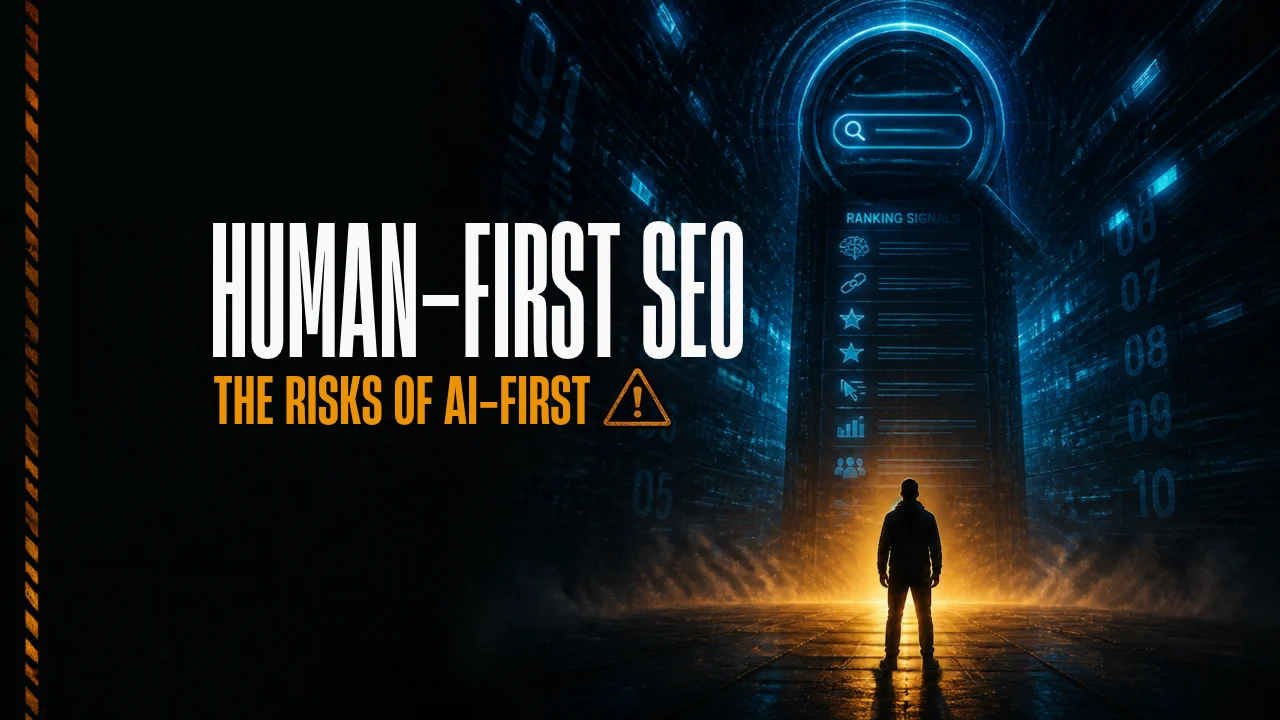
SEO is changing as AI-powered search tools become more common. Businesses are adapting their content for AI Overviews, AI-generated answers, and conversational search platforms. While these changes create new opportunities, they also introduce a risk: focusing too much on AI visibility and forgetting the people who visit the website.
Human-first SEO means creating useful, trustworthy, and easy-to-understand content for real people while making it accessible to search engines and AI systems. The goal is not simply to get a page mentioned in an AI-generated answer. It is to help users find reliable information, solve problems, and make informed decisions.
When businesses prioritize AI optimization over user needs, they may produce repetitive content, lose their unique voice, and weaken the customer experience. A balanced SEO strategy should support both search visibility and genuine user value.
What Does Human-First SEO Mean?
Human-first SEO focuses on creating content that helps people before trying to influence search rankings or AI recommendations.
For example, a user searching for the best SEO agency wants to understand the services, experience, pricing, and expected results. A page filled with keywords but lacking useful details will not fully answer that person’s questions.
Google’s official guidance for AI search continues to emphasize unique, valuable content that serves users rather than content created mainly to influence AI responses. Google for Developers
The goal is to make your website useful to visitors while following established SEO practices.
5 Risks of Optimizing for AI Over Users
1. Creating Content That Sounds Robotic
One common risk is producing content mainly to appear in AI-generated answers. Businesses may use the same headings, definitions, and short answers across multiple pages.
Although this content may look organized, it can lack original insights and practical value.
For example, an agency blog that repeats general SEO advice without sharing real examples gives readers little reason to trust the business.
How to avoid it: Use AI tools for research, outlining, and editing, but add your own experience, examples, expert opinions, and useful recommendations.
2. Keyword Stuffing and Unnatural Writing
Some businesses try to include every possible keyword variation to improve visibility in traditional and AI search.
This can make content difficult to read. Repeating phrases such as “best SEO company,” “top SEO agency,” and “affordable SEO services” too frequently can weaken the natural flow of a page.
Search engines can understand related terms and context, so every keyword variation does not need a separate paragraph or page. Google for Developers
How to avoid it: Focus on the user’s main question. Include relevant keywords naturally in headings, titles, and body content where they make sense.
3. Publishing Large Amounts of Low-Value Content
AI tools make it easier to produce articles quickly. However, publishing more content does not automatically improve website quality.
Creating dozens of similar articles simply to target different search queries can waste resources and make it harder for visitors to find useful information.
For example, a business might publish multiple blogs with nearly identical advice about AI SEO, generative engine optimization, and AI search optimization without adding meaningful differences.
How to avoid it: Review your content plan before publishing. Each page should serve a clear purpose, answer a genuine question, or provide information that is not already covered adequately elsewhere.
4. Losing Trust and Brand Identity
AI-generated content can sound generic when it lacks the company’s own knowledge and perspective. If every article follows the same format and uses broad claims, readers may struggle to understand what makes the business different.
Trust is particularly important for service businesses, where customers want evidence of expertise before making a decision.
How to avoid it: Share genuine case studies, explain your working process, use accurate examples, and support important claims with reliable evidence. Never invent customer experiences, statistics, or results to make content appear more authoritative.
5. Ignoring the Actual Customer Experience
A page might be optimized for search visibility but still provide a poor experience. Slow loading, confusing navigation, weak mobile design, and unclear calls to action can prevent visitors from finding what they need.
For example, a user may arrive through an AI search recommendation but leave because the service page does not explain pricing, availability, or how to contact the business.
How to avoid it: Review the complete user journey. Make pages easy to navigate, ensure important information is visible, improve mobile usability, and give visitors a clear next step.
How to Balance AI Search Optimization With User Needs
A strong SEO strategy does not require choosing between people and AI search. The same fundamentals can support both when applied correctly.
- Understand search intent: Identify what users want to learn, compare, or accomplish before creating content.
- Create original information: Add expertise, firsthand experience, examples, and insights that provide value beyond generic summaries.
- Follow technical SEO best practices: Keep important pages crawlable, ensure they can be indexed, and use a clear website structure.
- Use AI responsibly: Let AI support research and productivity, but review facts, tone, originality, and usefulness before publishing.
- Measure meaningful outcomes: Monitor organic traffic, qualified leads, conversions, engagement, and customer feedback instead of focusing only on AI mentions.
- Update content when needed: Improve pages when information changes or users need better answers, rather than making superficial edits to appear fresh.
Measure SEO Success Beyond AI Mentions
AI visibility can be a useful metric, but it should not be the only measure of success. A brand mention in an AI-generated response does not automatically mean that the business gained a customer.
Use Google Search Console to review search impressions and clicks. Use analytics and conversion tracking to understand whether visitors take valuable actions, such as requesting a quote, booking an appointment, or purchasing a product.
You can also monitor referral traffic where available, lead quality, and feedback from customers who discover your business online.
Review these results together to understand whether your SEO strategy supports both visibility and business growth.
Build a Sustainable Human-First SEO Strategy
AI is changing how people discover information, but the need for useful and trustworthy content remains important. Businesses that focus only on AI optimization risk creating pages that attract attention without meeting customer expectations.
Human-first SEO combines technical optimization with genuine value. It means understanding your audience, sharing reliable information, answering real questions, and making your website easy to use.
By using AI as a supporting tool rather than the main goal, businesses can build a stronger content strategy that serves readers, supports search visibility, and develops lasting customer trust.
